Skip to content

Recycling Guide and Curbside Recycling in Colorado Springs

Recycling guide for what can I recycle, what goes where recycling, plastic bags, pizza boxes, styrofoam, cardboard, aluminum cans, glass bottles, and why rinse recycling.

Committed to Doing Our Part

Recycling

Help NEW Disposal build a cleaner Colorado Springs and Pikes Peak region.

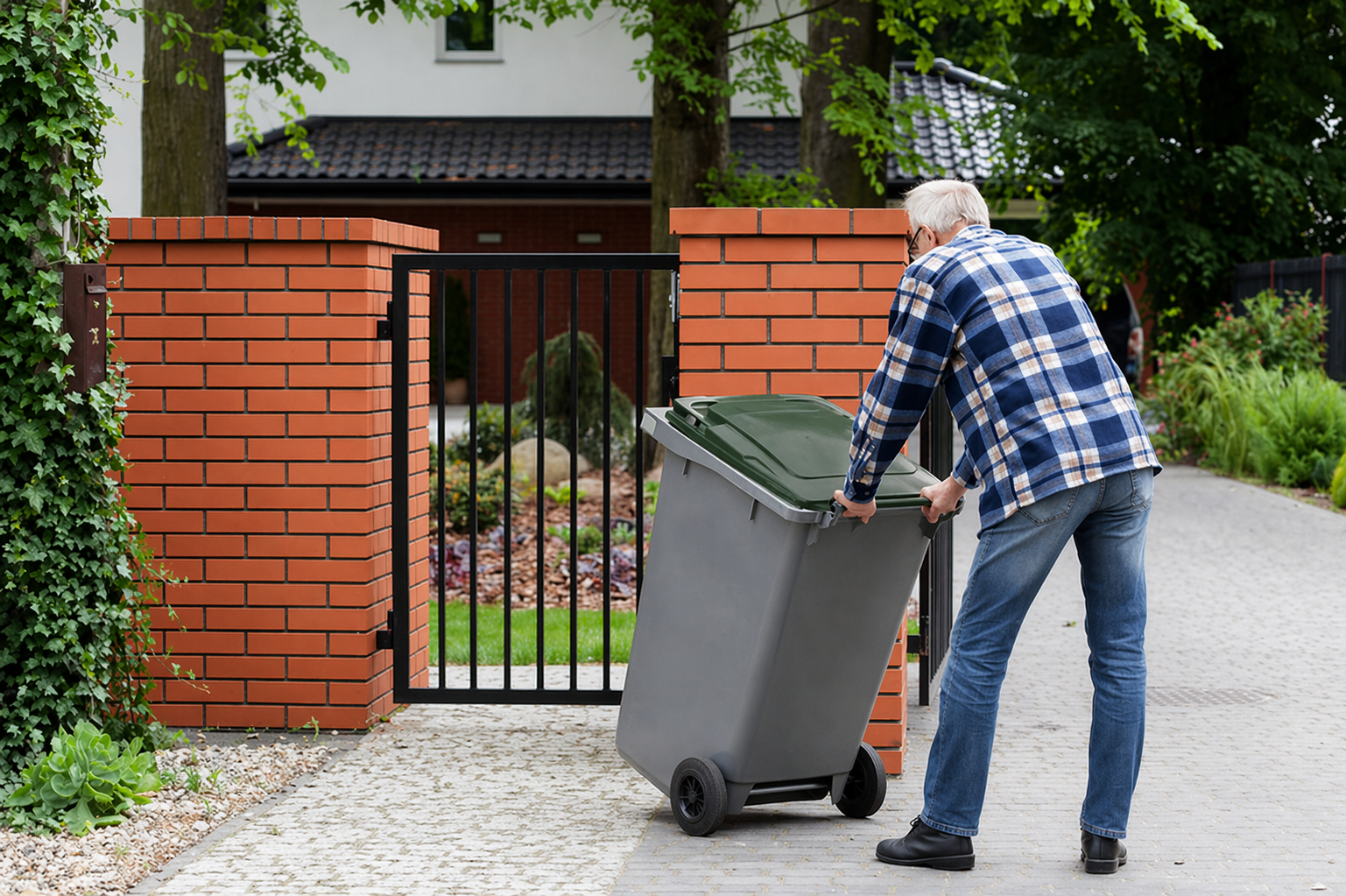
A man in a plaid shirt tilts a grey wheeled recycling container with a green lid on a residential driveway near a brick wall.

Recycling Services

How We Run a Recycling Program You Can Trust

We continuously improve our services through technological advancements, the hard work of our dedicated team, and increased efficiency. We are committed to passing those savings onto our customers.

01 — Delivered
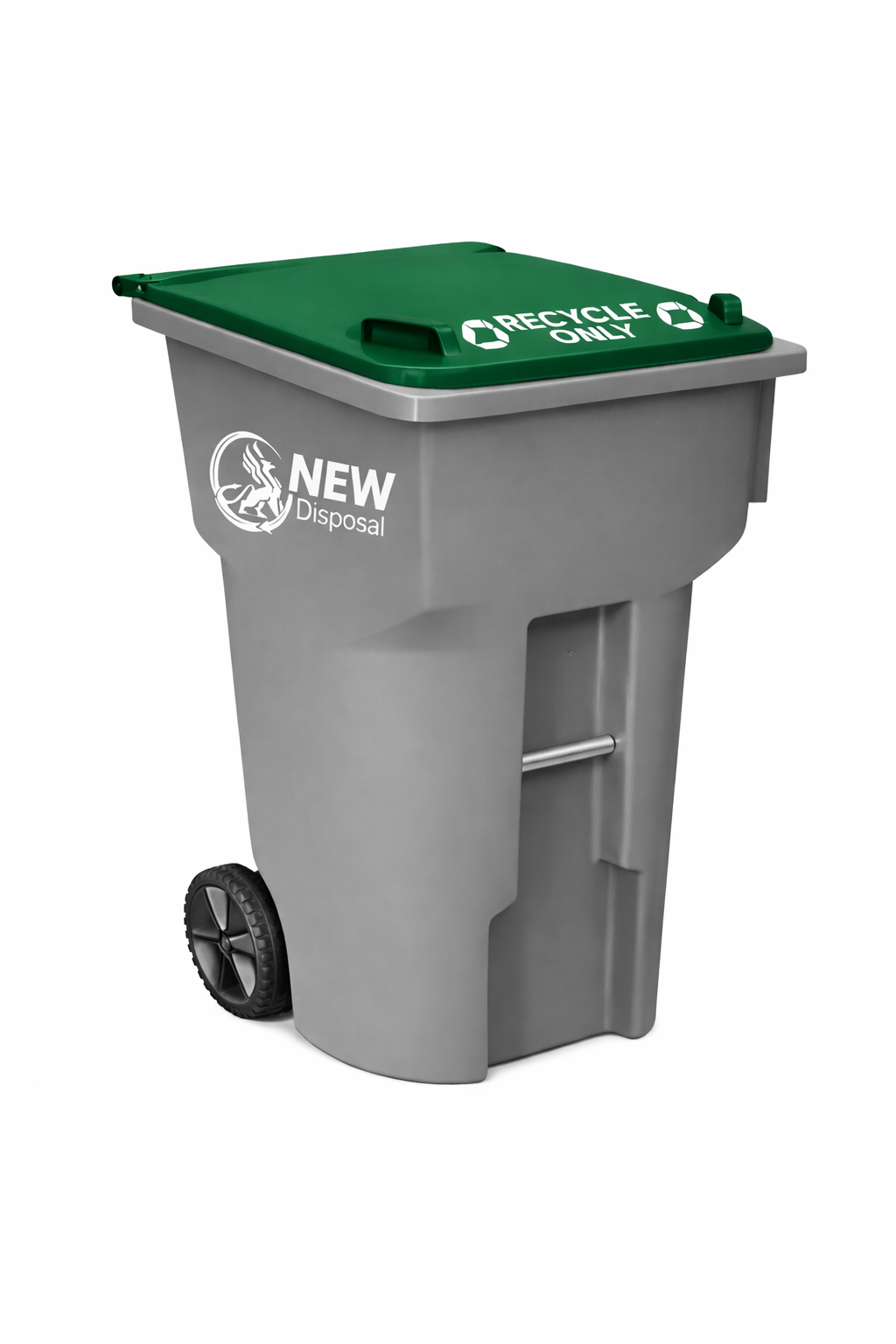
A gray residential recycling bin with a green lid featuring the NEW Disposal logo and 'RECYCLE ONLY' text.

Your dedicated toter

Wheeled · Lidded · Labeled

  • It’s Simple

    All acceptable recyclables go loose and properly rinsed out, in the toter.

  • Less Time

    You don’t need to sort your recycling. Just put all of your clean recyclables in your convenient recycle toter.

  • Reducing Waste

    Recycling reduces waste by diverting items from the trash stream.

  • Less Traffic

    We reduce emissions by having less trucks out on the road. The more people we service in your neighborhood the greater the impact.

  • Reduce Pollution

    Less production of new goods means less emissions.

  • Saving Energy

    By not having to produce new products, recycling provides noticeable savings in energy costs.

Accepted Items

What Goes in Your Recycling Bin

Loose recyclables are best. Please don’t bag your recyclables — plastic bags get tangled in the sorting equipment. Flattened cardboard? Up to two bundles can ride on the side of your container.

Unacceptable Items

Keep These Out of the Recycling Bin

These items contaminate recycling loads and can damage sorting equipment. Please dispose of them properly.

Commonly Asked Questions

Your Recycling Service & Best Practices

Quick answers to the questions our drivers and dispatch team hear most — with the research behind each one.

Recycling Best Practices

Quick Tips for Better Recycling

Follow these simple rules and you will keep more material out of the landfill.

Loose recyclables are best

Please don’t bag your recyclables — plastic bags get tangled in the sorting equipment and slow the line down.

Clean and dry

All recyclables should be clean and dry before they go in the cart.

Flatten cardboard

Flatten and bundle cardboard and paperboard when it will not fit inside the toter.

No food residue

Dirty recycling is contaminated recycling. Rinse bottles, jars, and cans first.

When in doubt, trash it

If it is shredded, soiled, wet, or otherwise questionable, use the trash or compost stream instead.

Watch the shape

Recycle plastics by shape: bottles, jars, jugs, and tubs are the easiest to sort downstream.

The Full Loop

What happens after pickup

A circular infographic titled 'The Recycling Process' showing a continuous loop from home collection to processing, manufacturing, and back to the store.
From your bin, through the sorting line and a processing facility, into new products on store shelves.

Recycling Education

Recycling only works when it’s done right.

  1. Just because an item has a recycling symbol on it doesn’t mean it belongs in your recycling bin. Knowing which materials actually get recycled — before you toss them in — is the single biggest thing you can do to keep this system working.

  2. Contamination is any material that isn’t accepted in curbside collection. As a country, we now over-recycle: well-meaning folks toss non-recyclable items into the bin in the hope that they’ll get sorted out somewhere down the line. They don’t — and that practice quietly jeopardizes every other legitimate recycling effort.

  3. Over-recycling drops garbage, food waste, and hazardous materials into the stream. When trucks deliver mixed loads to sorting facilities, those contaminants destroy good materials and grind the line to a halt.
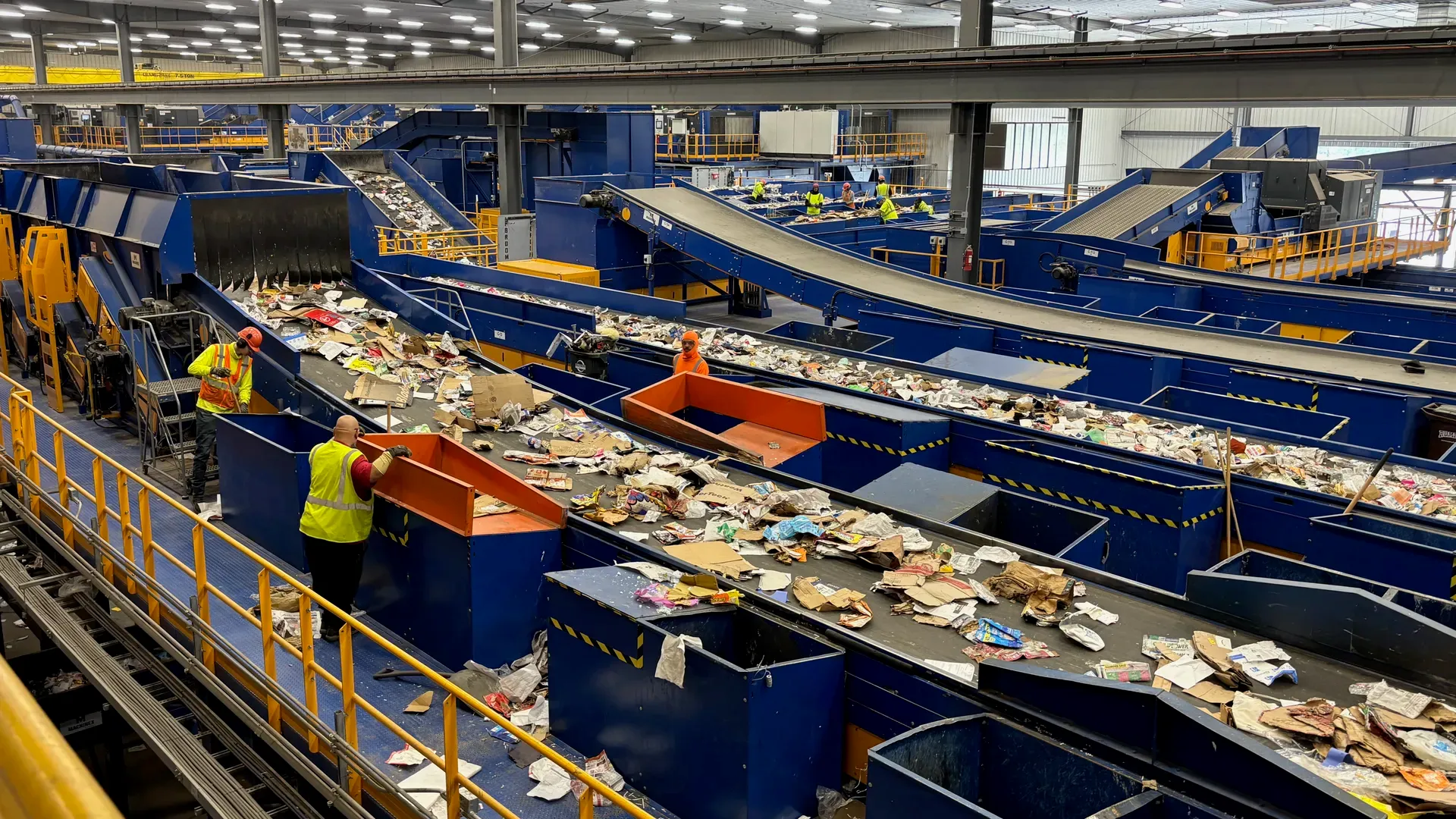
Workers in high-visibility vests sort recyclables on a network of blue conveyor belts in a large industrial recycling facility.
Workers sort recyclables on the line at our processing partner — the same line that contamination grinds to a halt.
  • Loads rejected

    Too many contaminants and the entire load becomes unacceptable — none of it gets recycled.

  • Sorting slows down

    Operators have to slow the line to pick out trash, which raises costs and puts national recycling efforts at risk.

  • Equipment damaged

    Recycling machinery isn’t built for every material. Contaminants can ruin or break the equipment outright.

Local Hazardous and E-Waste Services

Check out our local resources page for Colorado Springs and El Paso County events and drop-off availability.

Local Resources

Local Resources

See our local resources page for Colorado Springs and El Paso County events, drop-off guidance, and special-item disposal information.

Local Resources

5 R’s

5 R’s of Responsibility

Make informed choices about what you purchase and how you handle the things you already own.

  1. 1

    Refuse

    As a consumer, make informed choices about what you purchase. Refuse products that cannot be reused or readily recycled.

  2. 2

    Reduce

    You can reduce your impact by reducing your consumption.

  3. 3

    Reuse

    Avoid single-use items and instead invest in reusable products.

  4. 4

    Recycle

    Use best recycling practices to maximize what can be turned into new products and minimize what must be processed as waste.

  5. 5

    Rot

    When possible, keep organics out of the landfill and choose composting for food scraps and yard waste.

Have a Question About Recycling?

Whether it's about what goes in the bin or what happens to it afterward, we're happy to walk you through it.